
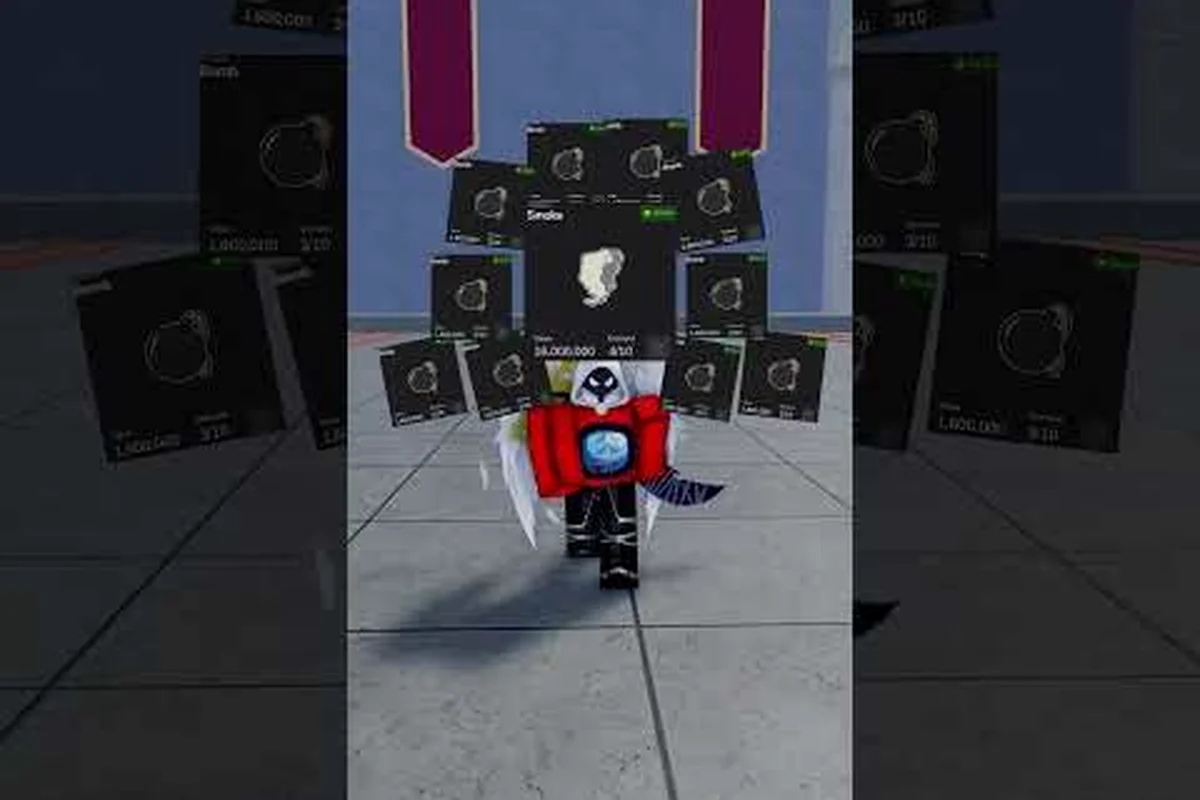
Blox Fruits trading matters because a well-priced exchange can turn surplus fruits into permanent upgrades without unnecessary grinding. This Blox Fruits trading guide explains how to evaluate value, read W/F/L demand, respect trade limits, and plan a sequence of safer, more profitable trades.
Trade Basics Every New Trader Needs
Successful trading begins with separating the game’s official trade rules from community estimates. Official rules determine what the game permits, while a Blox Fruits value list reflects player demand and may change as new fruits, updates, and server populations shift the market.
The core vocabulary includes rarity, permanent status, demand, and recent trading history. A rare fruit is not automatically valuable if nobody wants it, while a common fruit can become useful when it functions as a stepping-stone toward a more desirable permanent fruit. You therefore need two questions before accepting an offer: What can I obtain, and can I trade that result for something better?
Essential trading terms
| Term | Practical meaning | Example |
|---|---|---|
| W | A fruit that many players want | A highly sought-after mythical fruit |
| F | A fruit with roughly balanced demand | A useful fruit with a moderate buyer pool |
| L | A fruit that many players avoid or trade away | A weak fruit with little current demand |
| Permanent | A fruit retained when the character resets | A valuable end goal for the trade chain |
| Cooldown | A waiting period between trades | Plan another offer before the next trade is allowed |
These labels are estimates, not official classifications. Community reports may assign different letters to the same fruit depending on the server, current update, and availability. The community trading walkthrough is useful as a visual reference for how players rotate between offered and requested fruits, but its evaluations should be checked against current information.
A reliable value method
Use three signals together rather than relying on a single number: check recent trade history for repeated buyer interest, compare the fruit’s rarity with its obtainable-permanently status, and confirm that buyers will actually accept it as a trade target. For example, a fruit that repeatedly appears in completed trades and attracts several buyers is stronger evidence of value than one with a high asking price but no recent offers; this also helps you avoid confusing an isolated sale with a reliable market trend.
-
Demand: How many active players are trying to acquire the fruit?
-
Liquidity: How readily can the fruit be traded for a common target?
-
Endgame value: Can it become permanent, and how attractive is that result?
This method makes a Blox Fruits value list more useful than a flat ranking. A fruit with a strong demand label but no useful trade path may be less valuable in practice than a less glamorous fruit that many players want as a permanent upgrade.
| Evaluation factor | Strong signal | Weak signal |
|---|---|---|
| Demand | Several buyers repeatedly seek it | One isolated request |
| Liquidity | Buyers accept it from many sellers | Only a narrow group accepts it |
| Rarity | Difficult to obtain again | Easily farmed or bought |
| Permanent demand | Frequently requested as a reset goal | Little interest after reaching the goal |
| Recent history | Consistent trades over time | A single unusual sale |
Separate temporary value from permanent value
A temporary fruit may be highly desirable because it grants access to strong gameplay, but its value disappears when the character resets. A Blox Fruits permanent fruit value is therefore tied to the fruit’s usefulness as an end goal, not merely its current power. Before trading, decide whether you need immediate gameplay value, reset progress, or a liquid intermediate item.
Blox Fruits Value Lists and W/F/L Demand
A Blox Fruits fruit values chart should be treated as a market snapshot, especially for limited or event-related fruits. The best source is the one that records recent exchanges, names the date or update, and distinguishes temporary stock from permanent stock. Listings without a timestamp are useful only as rough reference points.
The win fair lose concept is best applied as a demand scale. A “win” means many players actively want the fruit, a “fair” means interest is balanced, and a “lose” means the fruit has weak demand or is commonly used as the lower-value side of an offer. Because these labels are community-based, they should guide comparisons rather than dictate acceptance.
Interpreting demand bands
| Demand band | Likely player reaction | Trading implication |
|---|---|---|
| Win | Strong interest and frequent requests | Accept only for a clearly better result |
| Fair | Useful but not heavily contested | Can serve as a neutral bridge |
| Lose | Weak demand or frequently rejected | Avoid unless it unlocks a confirmed chain |
| Event-limited | Demand depends on remaining availability | Compare recent evidence before deciding |
| Unverified | Little reliable trading history | Treat conservatively until confirmed |
A current Blox Fruits value list should include the date, server region, and whether the displayed values concern temporary or permanent fruit. Without those details, two charts may disagree without either being wrong. When values shift quickly, our overview of trade value updates explains why older comparisons can become outdated.
Reading a trade route
Suppose you own a lower-demand fruit and want a permanent upgrade, the safest route is to preserve liquidity rather than jump straight for a rare permanent. For example, a surplus Common Fruit can be traded for a widely requested “win” fruit, then exchanged for a stronger permanent fruit if the final request is realistic. This two-stage approach reduces the risk of being left with an unwanted fruit, while a direct rare-permanent trade carries a higher risk because it demands an exact value agreement.
-
Step 1: Trade the surplus fruit for something commonly requested.
-
Step 2: Exchange that fruit for a stronger community “win.”
-
Step 3: Convert the win into a permanent fruit if the final request is realistic.
| Route | Risk | Why it may work |
|---|---|---|
| Surplus to common “win” to permanent | Medium | Uses a widely requested midpoint |
| Surplus directly to rare permanent | High | Requires exact value agreement |
| Rare fruit to another rare fruit | Medium | Demand may not match |
| “Lose” to highly limited fruit | High | Depends on a narrow buyer group |
| Flexible fruit to choice from several “wins” | Medium | Gives you room to adapt after the first trade |
Spotting value traps
A high-looking value is not necessarily a useful asset. Check whether the fruit is overproduced, difficult to trade onward, or wanted mainly by one buyer. Also distinguish stock scarcity from demand scarcity: something may be rare because it cannot be farmed, yet still have few buyers who want it. For event-driven or older fruits, consult our guide to limited fruit demand and trading tiers. It is especially important to compare recent community data rather than assume that an old high price still reflects the current market.
Blox Fruits Trade Rules and Limits
Trade limits and cooldowns determine the pace of a trading session. The verified trading reference notes that the game enforces a cooldown between trades, so successful players plan their entire sequence before accepting the first offer. Attempting several back-to-back exchanges without a plan can turn a profitable route into a dead end.
The exact Blox Fruits trade limit may vary by game version and account situation, so verify the current message in the trading interface. Do not rely on an old screenshot when the game displays an updated rule. Likewise, never assume that holding a valuable fruit makes you exempt from trade restrictions.
| Rule or restriction | Practical response |
|---|---|
| Trade cooldown | Prepare the next target fruit before confirming the current trade |
| Limited trade amount | Split a large planned exchange into compliant stages |
| Minimum level requirement | Meet the displayed requirement before opening a trade |
| No trading in battle or unsafe areas | Return to a legal trading location first |
| Offer confirmation | Review both sides immediately before accepting |
| Value changes during the session | Recheck recent demand before the next trade |
Prepare the whole chain
A cooldown is manageable when you have a route. Before entering the first trade, write down the desired final permanent fruit, one or two acceptable intermediates, and the maximum loss you are willing to accept. Then check that each likely recipient accepts the fruit you are offering.
| Preparation item | What to record |
|---|---|
| Final goal | The permanent fruit or category you want |
| Primary intermediate | A commonly requested “win” or liquid “fair” fruit |
| Backup intermediate | An alternative if the first offer fails |
| Maximum loss | The point where the exchange no longer improves your position |
| Exit plan | Where you will sell or trade the final result |
This planning also reduces rushed decisions. If you want extra support for final upgrades, our demand and supply overview can help identify which fruit categories are likely to remain useful during your trading window.
Review every offer
Before accepting, confirm the exact fruit, quantity, and whether it is temporary or permanent. Do not rely on an earlier message because an offer can change. Check that the other player’s side contains what you agreed upon, and that both sides match the expected value direction.
Once a trade opens, do not confirm instantly; give yourself a few seconds to compare the live offer with your intended exchange. This is especially important when one side includes a permanent fruit, because the value direction can change once the trade window closes. For example, if you planned to receive a permanent Dough fruit in return for temporary fruit, verify that the on-screen quantities and trade duration support that exact swap before clicking Accept. A deliberate pause helps prevent an accidental permanent-for-temporary exchange.
-
Is this the exact fruit I requested?
-
Did the player add the correct quantity?
-
Is the fruit temporary when I intended permanent?
-
Does this exchange improve my position after the next planned step?
-
Is there enough time for the next trade before restrictions intervene?
These checks are especially valuable when a high-value fruit appears in the trade. Our article on trade scams and suspicious offers covers additional warning signs that can appear before or during a trade.
A Step-by-Step Blox Fruits Trading Plan
A Blox Fruits how to trade process works best when it is repeatable. The goal is not to predict every price movement; it is to choose liquid routes, protect valuable stock, and exit before an unfavorable change in demand. Start with a known goal and assign a value range to every step.
Build a profitable route
Choose a final permanent target that has consistent community demand. Next, identify a fruit with strong buyer interest that can be obtained from your current inventory. Finally, check that your current fruit has enough value to justify the first exchange without leaving you stranded.
| Step | Action | Decision rule |
|---|---|---|
| 1 | Set the permanent goal | Confirm recent demand and a plausible trade path |
| 2 | Inventory the holdings | Include temporary and permanent copies separately |
| 3 | Choose an intermediate | Prefer a widely accepted “win” or “fair” fruit |
| 4 | Check recent transactions | Compare at least several recent examples when available |
| 5 | Set your minimum output | Walk away below that line |
| 6 | Execute the first trade | Confirm both sides carefully |
| 7 | Reprice the result | Update the plan after each cooldown |
| 8 | Complete the permanent trade | Do not rush because of the time pressure |
Use a three-layer value target
A useful negotiation target has three layers. The ideal gives you a clearly superior permanent fruit, the acceptable gives you another permanent fruit with comparable demand, and the walk-away marks the lowest offer that still improves your position. Setting these thresholds before trading prevents a requested Blox Fruit win from being mistaken for guaranteed value: compare permanent fruit value, recent demand, and the recipient’s ability to use the trade. For example, if your acceptable target is a permanent fruit with comparable demand, verify its current buyer interest before accepting; otherwise, one scarce fruit can become a slower exit than the asset you originally wanted.
| Target layer | Example | Action |
|---|---|---|
| Ideal | Requested permanent win | Accept if it passes verification |
| Acceptable | Another permanent fruit with comparable demand | Accept when recent evidence supports the exchange |
| Walk-away | A temporary fruit below your minimum value | Decline without negotiating endlessly |
This structure is particularly useful for blox fruits win fair lose negotiations. A “win” label is only a demand estimate, so your acceptable alternative should still have a clear exit route. Avoid converting one scarce asset into another unless the final trade has a confirmed recipient or broad demand.
Stocking Items Worth Trading
Before opening a trade, retain one backup fruit of a useful category. This gives you flexibility if the first counteroffer is poor. Do not offer your only bridge fruit and a highly sought-after item at the same time, because that can make recovery difficult if the trade does not proceed.
A sensible inventory includes only fruits you can replace without breaking your build, and their current fair, win, or lose status should shape their role in the offer. For example, keep a useful lose fruit out of the main package if trading it would leave you without a reliable value-per-need option, while a lower-tier fair fruit can serve as a negotiating lever. Check recent Blox Fruits value data before committing, since demand and scarcity can change as players chase different permanent goals.
-
One liquid fair fruit for negotiation.
-
One widely requested win fruit for a stronger offer.
-
One separate permanent goal for endgame conversion.
-
A low-value backup that does not carry your entire strategy.
For specialized control and special-fruit pricing, the Kitsune, Dough, and control fruit values can help narrow the comparison before you approach a trade. Use each fruit’s current value tier alongside its practical effect: Kitsune is valuable when you need a permanent control option, Dough can provide stronger mid-to-late-game utility for some builds, and lower-tier control fruits may be easier to replace if a trade fails. This prevents you from mistaking a rare effect for equal trade value and helps you set a clear offer limit before discussing the deal.
W/F/L Ratings and Market Value Signals
The W/F/L labels summarize community demand, but they do not measure a fixed monetary price. A “win” may be valuable because many players want it, while a “fair” may serve as the most useful bridge because sellers readily accept it. The best rating depends on your trade route and your willingness to wait.
| Signal | Strong case | Weak case |
|---|---|---|
| Repeated W demand | Several recent buyers request the fruit | One player wants it |
| Multiple willing sellers | Easy to acquire and resell | Only one seller remains |
| Permanent requests | Many players seek it as an end goal | Buyers only want temporary use |
| Recent confirmed trades | Price evidence is current | Evidence is old or unclear |
| Healthy trade chain | Buyers accept it from varied sellers | It cannot be traded onward |
Cross-check community information
A Blox Fruits value list should never be accepted without checking its date. Community reports often change quickly, and event availability, updates, or server differences can move demand. The best trading overview among the supplied references is The BEST Trading Guide In Blox Fruits, which reinforces a conservative rule: never accept a trade you cannot value yourself, even if the other player insists it is fair.
When sources disagree, use this hierarchy: prioritize timestamped community evidence over undated Blox Fruits value lists, then compare recent trades of the same fruit before considering older permanent fruit value data. For example, if one guide lists a fruit at 100M and another at 250M, check when each observation occurred and whether server, event, or update conditions changed demand; use the lower estimate until better evidence supports a higher value.
-
Prefer recent, timestamped trade evidence.
-
Compare several independent examples rather than one extreme offer.
-
Separate permanent demand from temporary power.
-
Confirm that the fruit can move to your next target.
-
Reject any trade whose value cannot be explained.
Profit is relative to your goal
A trade is profitable when it improves your route toward the outcome you want. You may accept a lower-value fruit if it has stronger liquidity, reduces cooldown pressure, or reaches a desired permanent goal. Conversely, a numerically attractive trade can be poor if the result has no buyers or cannot be used before your next planned step.
| Trade outcome | Potential value | Main risk |
|---|---|---|
| One permanent “win” for two temporary “wins” | Strong endgame conversion | Buyer interest may fall |
| One “fair” for two “loses” | Efficient consolidation | The “fair” may lack onward demand |
| One “win” for one “fair” | Small gain | W/F/L labels may be outdated |
| Limited fruit for permanent goal | Potentially excellent | Narrow buyer pool and stale pricing |
| Temporary “win” for permanent “fair” | Durable result | Gives up current gameplay benefits |
The final choice should reflect your target. For immediate boss strength, a temporary Blox Fruit can outweigh a permanent upgrade if its stored duration lasts through the fight and its price is lower than the permanent fruit. Before trading, check the trade limit, the buyer’s required Win/Fair/Lose classification, and current demand in the Blox Fruits value list. For example, a “win” traded for two temporary “wins” may suit a boss run, but the table’s risk applies: buyer interest may fall, so confirm that the two temporary fruits can actually be sold afterward. For reset-focused progression, favor a permanent goal when you can use it immediately and do not need the temporary fruit’s current gameplay benefits.
Trade Cooldowns, Risk Control, and Exit Plans
Trade cooldowns create a time constraint, but they also reduce the need to make every decision at once. Use each waiting period to compare the new option against the previous route. If the updated fruit has weaker demand, return to the preplanned alternative instead of continuing downhill.
| Time available | Action | Risk level |
|---|---|---|
| Several minutes | Compare two or three alternatives | Low |
| One short break | Confirm one liquid intermediate | Medium |
| Less than one cycle | Hold and wait for the next trade window | Low |
| Unexpected trade prompt | Ignore it unless it matches the written plan | Low |
| Pressure from another player | Pause and verify independently | Medium |
Protect against emotional pressure
Urgency is a weak signal in a player-driven market. Someone may claim an offer is rare, insist that value changes tomorrow, or pressure you to accept before you check. A legitimate trade can survive a short delay; an unsafe one often depends on immediate acceptance.
For example, if a seller offers a permanent Dragon fruit for a Spike fruit plus Blox Cash, compare the permanent fruit value against the fruit values of the received items rather than reacting to the seller’s claim. A fair trade can still fail if the value gap is hidden by game-limit mechanics, so confirm the current Blox Fruits trade limit and the win-fair-lose outcome before exchanging anything.
-
No understanding: Decline if you cannot explain why the exchange is fair.
-
No route: Decline if you do not know what the received fruit can become.
-
No time: Decline if the cooldown does not leave room to complete the intended chain.
Know when to exit
Exit from a losing route when the received fruit loses broad demand, the required intermediate becomes impossible to find, or the next trade would require sacrificing a better permanent goal. Holding a prestigious fruit indefinitely can be worse than taking a smaller, confirmed improvement. For fruit values that change with availability, compare the latest trading value explanation before converting a temporary “win” into permanent progress. The key is to preserve optionality: keep a liquid backup until the final exchange is ready.
A simple session log
Track each accepted trade with four entries: fruit received, fruit offered, estimated direction, and intended next step. Review the log after every cooldown and replace outdated assumptions. This small habit reveals common errors, such as repeatedly accepting “fairs” that nobody wants or paying too much for one narrow “win.”
| Log field | Example | Decision enabled |
|---|---|---|
| Received | Control fruit | Verify onward demand |
| Offered | Common battle fruit | Track relative loss or gain |
| Direction | Fair to win | Acceptable if the label is current |
| Next step | Seek permanent control upgrade | Avoid unnecessary side trades |
Frequently Asked Questions
What does W/F/L mean when trading fruits in Blox Fruits?
W means many players reportedly want the fruit, F indicates balanced community demand, and L suggests weak interest. These are informal market labels rather than official ratings, so confirm recent evidence and ensure the received fruit has a useful path toward your preferred permanent upgrade.
What is the best way to start trading safely?
Choose one clearly desired permanent goal, then identify a widely requested intermediate fruit with several possible buyers. Set a minimum acceptable value before entering the trade, verify every item on both sides, and avoid committing your only useful bridge fruit until the exchange is ready.
How many trades can I make before the cooldown?
The available trade limit depends on the current game version and may vary by account situation. Read the restriction shown in the trading interface, because older community posts may describe a different cooldown. Prepare the next exchange during the wait instead of repeatedly accepting unplanned offers.
How do I calculate the permanent fruit value of a trade?
Compare what you give with what you receive, then confirm that recent buyers are actively requesting the permanent result. A Blox Fruits permanent fruit value estimate should account for demand, rarity, liquidity, and your ability to trade onward. If you cannot support the estimate with several recent examples, use a more conservative target.
Is a higher-rated fruit always the better trade?
No. A “win” rating may reflect strong interest while still offering a poor exit, and a “fair” fruit may be the most liquid option in the chain. The better trade is the one that advances your goal, preserves an alternative, and remains acceptable if demand changes before the next exchange.