
Trading
Blox Fruits trading explained: how community value lists work, why permanent fruits trade higher, limited fruit pricing and how to avoid trade scams.
Introduction
Trading is Blox Fruits' player-run economy, and it behaves like one. Fruits have no official price: value lists are community documents that rank fruits by demand and rarity, and they shift after every update. Permanent fruits sit above physical copies because they are unlocked for the account and survive death, so a permanent version of the same fruit usually trades for far more than a single carried one. Limited fruits, meaning fruits that stop spawning after an event, drift upward over time as supply dries up. Before you accept anything, learn the vocabulary: trades are rated win, fair or lose against a value list, and anyone asking you to skip that check is asking you to take a bad deal. Our trading pages explain the mechanics and never present a community list as official data.
Trading Concepts Reference
| Concept | What It Means | Why It Moves Value | Practical Rule |
|---|---|---|---|
| Permanent Fruit | An account-wide fruit that survives death | Removes the risk of losing the fruit entirely | Expect a large premium over a physical copy |
| Limited Fruit | A fruit that stops spawning after an event | Supply stops growing while demand continues | Value tends to rise after the event closes |
| Value List | Community ranking of fruit demand and rarity | Player consensus, not developer data | Check the list date before trusting a number |
| WFL | Win, fair or lose rating for a trade | Gives both sides a shared vocabulary | Rate every offer before you accept |
Trade Asset Cards
Permanent Fruit
The durable asset of the trade market
Limited Fruit
Event fruit that stops spawning afterwards
Value Lists
Community rankings, not developer data
WFL Rating
The habit that prevents bad trades
Core Mechanics
A trade is a swap of inventories with a confirmation step, and the value comes from scarcity rather than any in-game price tag. Three things drive that scarcity. First, acquisition difficulty: fruits come from dealer restocks every four hours, short-lived wild spawns, raids for awakening, or real-money permanent purchases. Second, permanence: a permanent fruit cannot be lost, so it trades as a durable asset. Third, event windows: when an event ends, its fruit supply stops, and limited items become collectibles. Value lists translate those forces into a ranking, but they are player-maintained, so two lists can disagree. The honest approach is to compare a few lists, check dates, and value what your own build actually needs.
Advantages
Trading turns duplicates into progress. A fruit you cannot use has real value to someone else, so the market converts luck into the specific item your build wants. Permanent fruits give long-term players a durable asset that does not get lost, which makes them a natural savings target. Limited fruit appreciation rewards patience: holding an event fruit after the window closes can be worth more than selling it during the rush. The WFL vocabulary also creates a shared standard, so a trade can be discussed rationally rather than argued emotionally. For free players, trading is often the fastest route to a high-rarity fruit without waiting on a spawn cycle.
Challenges
The market has no official pricing, which means every value list is an opinion with a date stamp. Lists disagree, they lag behind patches, and some are manipulated to inflate a specific fruit. Scams exploit exactly that ambiguity: pressure to act fast, mid-trade swaps, and offers dressed up as fair using an outdated list. Permanent fruit pricing is the most volatile segment because it mixes real-money value with in-game scarcity. Limited items add a second layer, since their price depends on how many players kept one. The only reliable defence is slow dealing: check multiple lists, rate the trade yourself, and refuse any offer that depends on urgency.
Frequently Asked Questions
How do value lists work and can I trust them?+
Why is a permanent fruit worth so much more?+
How do I avoid getting scammed?+
Quick Tips
Rate every trade yourself before you accept it. The win, fair or lose habit forces you to name what you are giving up, and that alone stops most bad deals. Compare against at least two dated value lists, because a single list can be stale or manipulated. If you cannot explain why an offer is fair, the answer is no.
Hold event fruits after the window closes if you do not need them now. Limited supply is the one force that reliably pushes value up over time, and a fruit that stops spawning becomes a collectible. Selling during the event rush usually captures the lowest price, while waiting a few weeks often finds a buyer who missed the window entirely.
Never let urgency decide a trade. Scams depend on you skipping the re-check step, so treat any message pushing you to confirm immediately as a reason to walk away. A genuine offer will still be there after you compare two lists and verify exactly what sits in the trade window, including quantities and any items swapped at the last second.
Featured

Blox Fruits Demand List: Wanted Fruits and Trade Opportunities
Read a Blox Fruits demand list to see which fruits players actively want, how supply changes their value, and which permanent-fruit trades deserve attention.

Blox Fruits Kitsune Fruit Value: 2026 Pricing and Trade Checks
Estimate blox fruits kitsune fruit value with community pricing, patch trends, calculator checks, and a conservative approach to permanent-fruit trades.

Blox Fruits Limited Fruits: Scarce Supply and 2026 Values
Track blox fruits limited fruits with 2026 value estimates, scarcity insights, and practical advice for trading rare event rewards once spawns end.
All Articles
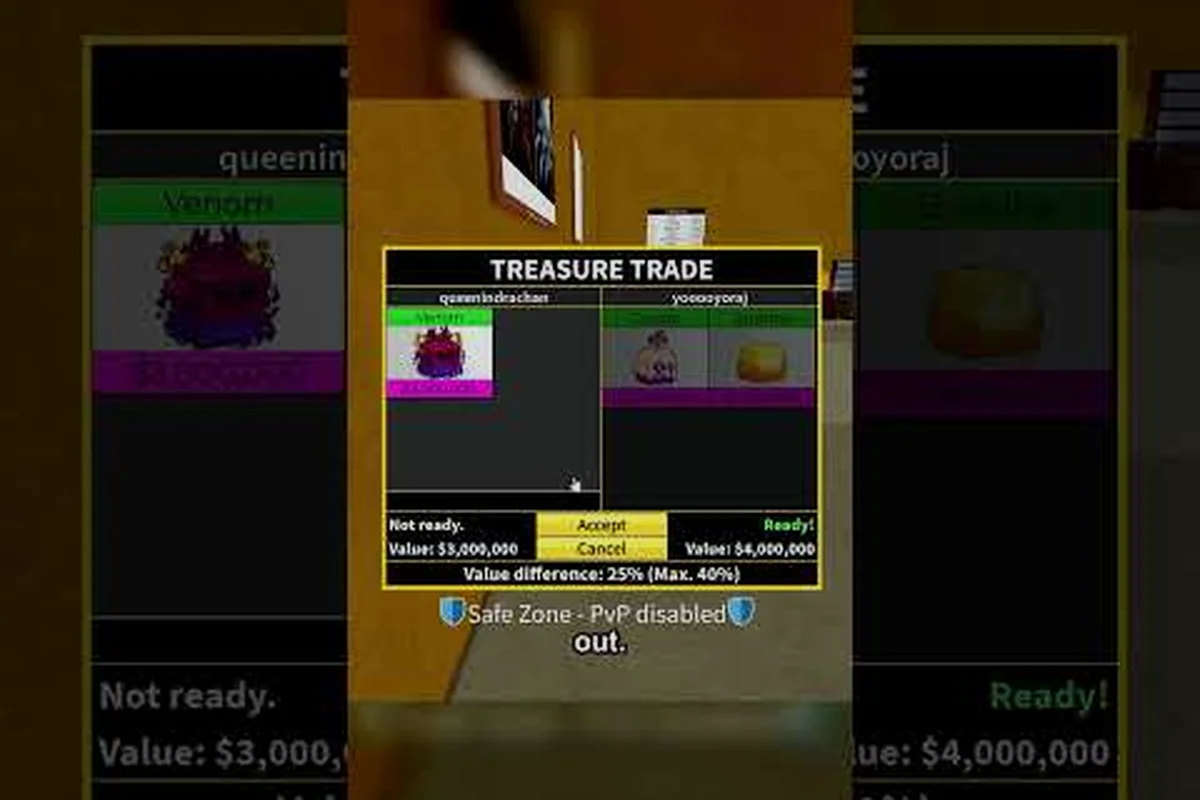
Blox Fruits Trade Values Update: Fresh Fruit Pricing
Use the Blox Fruits trade values update to price fruit by rarity, strength, and player demand, then review large offers item by item before trading.
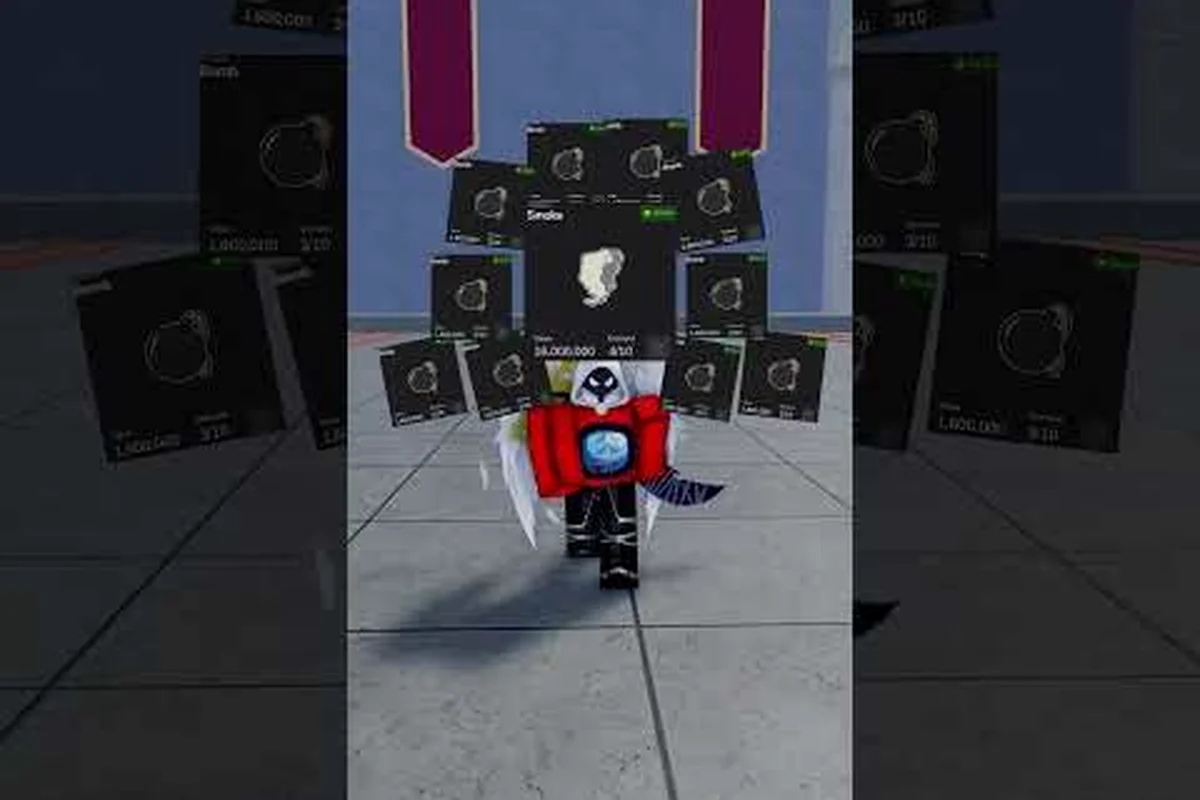
Blox Fruits Trading Guide: Values, Rules, and Profit Trades
Master Blox Fruits trading guide basics using community value lists, W/F/L ratings, trade limits, and cooldown planning to spot profitable low-to-high exchanges.
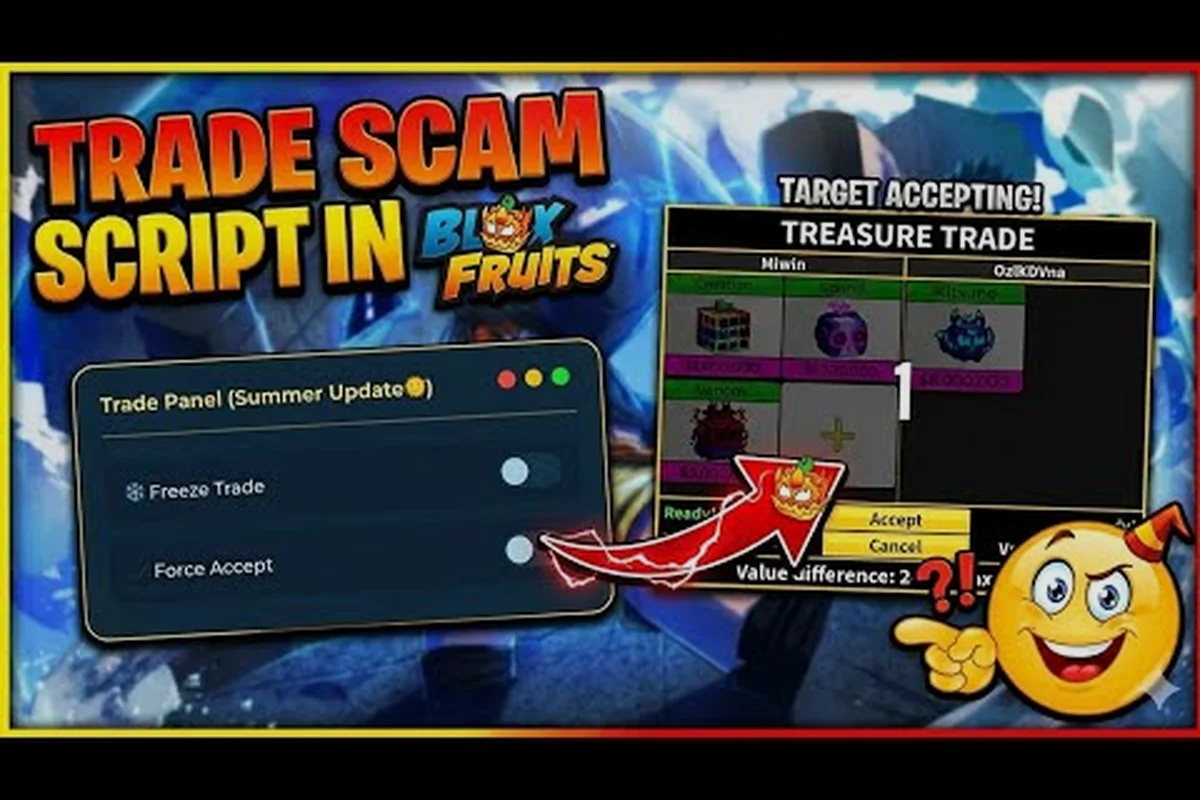
Blox Fruits Trade Scam: Spot Fake Offers and Item Swaps
Avoid a Blox Fruits trade scam by checking both sides of every offer, comparing rare fruit values, and ignoring rushed promises before confirming a trade.